

Mobile Carriers Forum
A division of Australian Mobile Telecommunications Association
>Home >Contact >Industry >Government >Community >Health & Safety
Button print page RSS
blue wave
Community tab blue wave blue wave
 
 
white wave
How does the Mobile Phone System Operate?

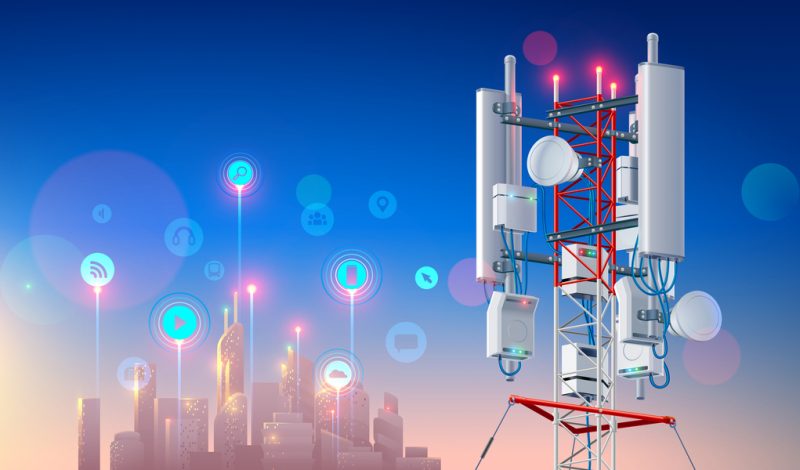
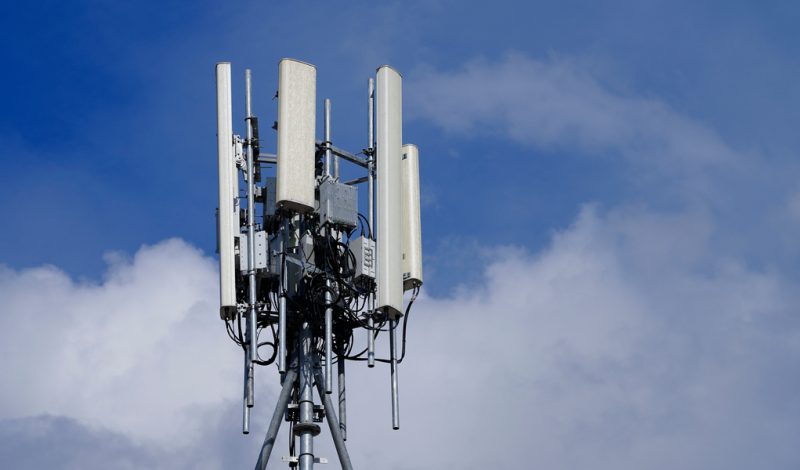
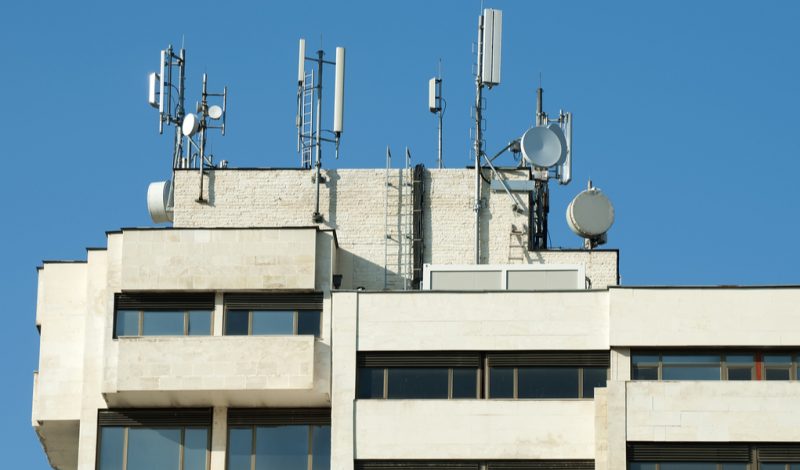
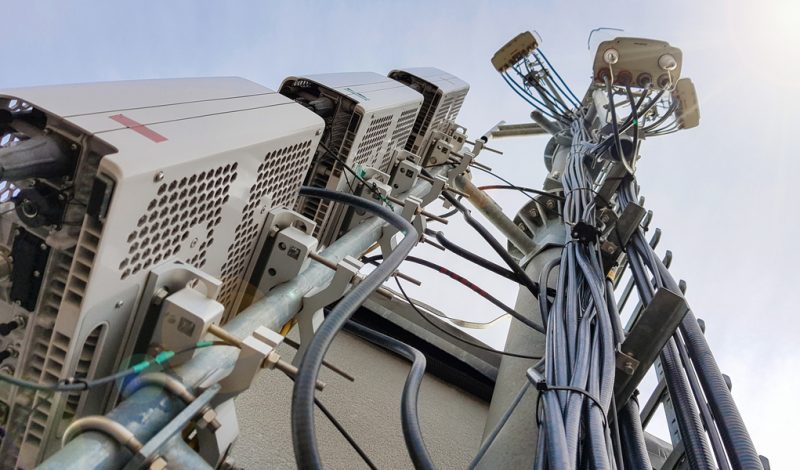
Mobile phones work by sending and receiving low power radio signals, much like a 2 way radio system. The signals are sent and received from antennas that are attached to radio transmitters and receivers, commonly referred to as mobile phone base stations. These are linked to the rest of the mobile and fixed phone network and pass the signal/call on into those networks.

The first step in the process is for the phone to check that there is coverage in the area that the call is made. Once the phone has verified that there is sufficient signal strength to make the call, the phone establishes a connection with a nearby mobile phone base station. This base station then holds the call as long as the phone user remains on the call and in the range of the base station.
 
A mobile phone base station provides coverage to a geographic area know as a “cell”. Cells are aligned next to each other in a similar pattern to a honeycomb and it is for this reason that mobile phone networks are sometimes referred to as “cellular” networks. The location of the base station within the cell is determined by a number of factors, including topography, physical constraints such as trees and buildings, the cell “capacity” or number of calls expected to be made in the cell and the radio frequency at which the base station will operate.
 
Please download our Fact Sheet here for more information
View our video presentation here "MCF Mobile Networks in the Environment"


Contact Us ~ Useful Links ~ Sitemap
Telstra logo Optus logo Vodafone logo Hutchison logo EMF website
AMTA logo